Jollof Across Africa: Six Recipes You Can Master at Home
Jollof Across Africa:
Six Recipes You Can Master at Home
Happy World Jollof Day! If there’s one dish that unites and divides us at the same time, it’s Jollof rice. Everyone has an opinion, every country has a method, and the truth is, each version tells a story about where it comes from.
This year, I thought it would be fun to step outside the Lagos kitchens we know so well and look across the continent. I dug into trusted sources and food writers from different regions to pull together six recipes that capture the essence of Jollof in their countries. Consider this both a guide and an invitation to experiment in your own kitchen.
Nigerian Jollof
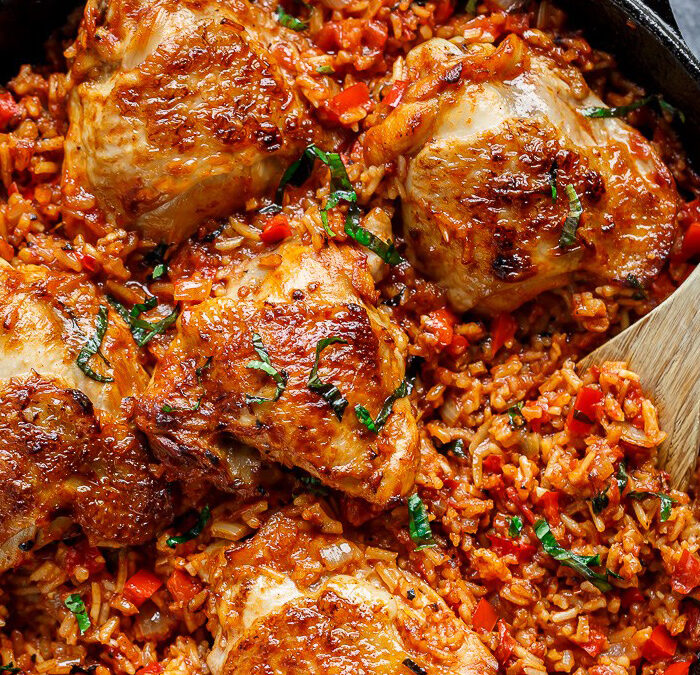
In Nigeria, Jollof is bold and unapologetic. Think of that rich tomato stew base, smoky Scotch bonnet heat, and long-grain rice that holds flavour without turning mushy. The process is all about patience: fry down your tomato-pepper mix until the oil floats to the top, build your layers with spices, then let the rice steam low and slow. That last step is where the magic happens, if you’ve had firewood Jollof before, you know exactly what I mean.
Ghanaian Jollof
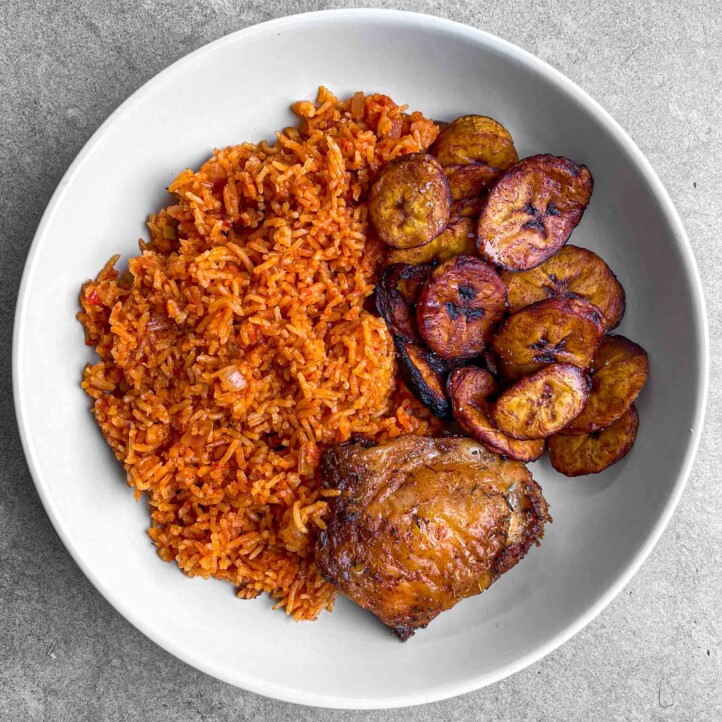
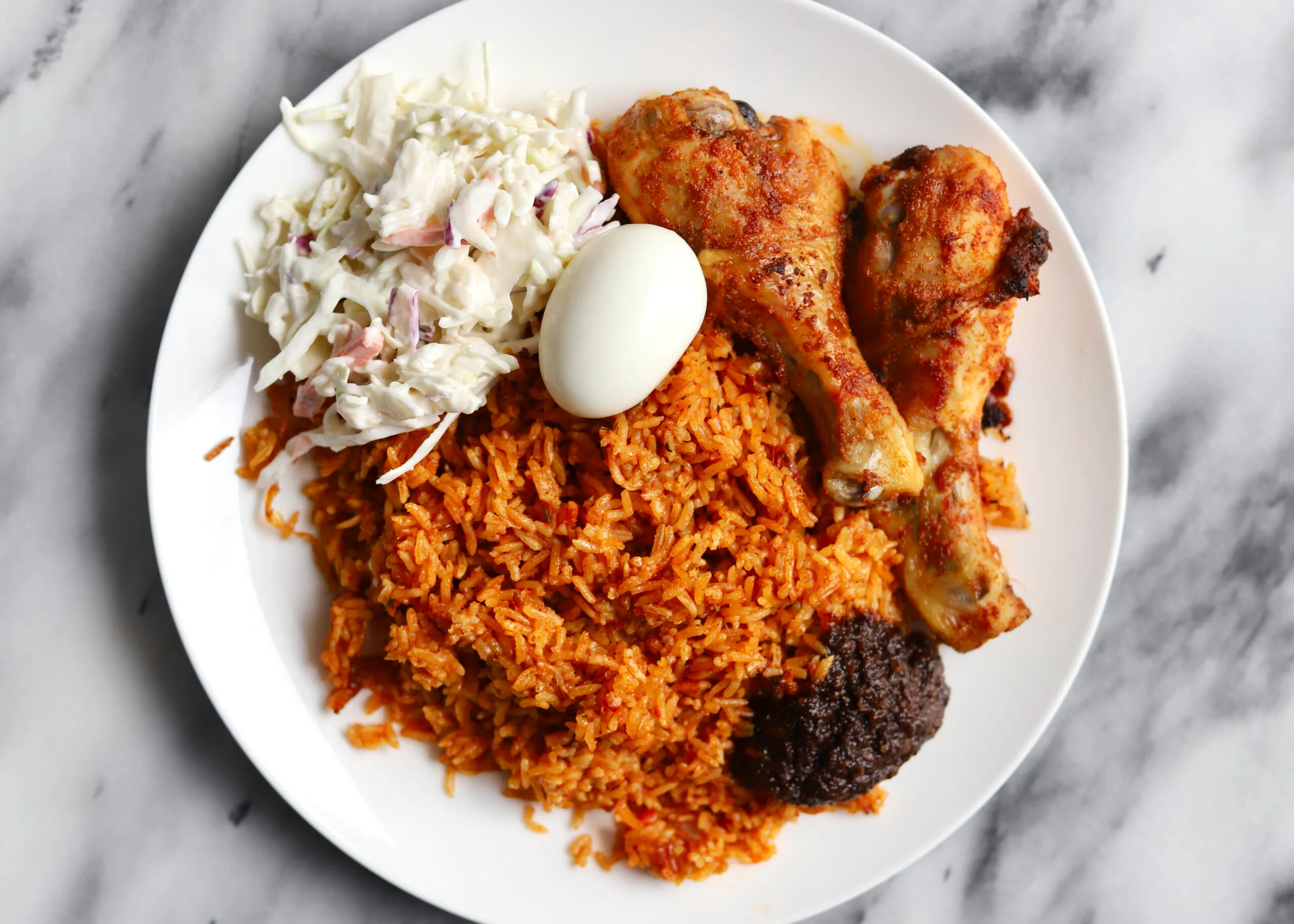
Cross over to Ghana and you’ll notice a shift. The grains tend to be softer, often basmati or jasmine rice, and the tomato base leans fragrant with ginger and garlic. The flavour is layered, but there’s a lightness to it compared to the heavy, rich notes of Nigerian Jollof. Serve it with fried chicken or kelewele (spiced fried plantain) and you’ll understand why this version has its die-hard fans.
Senegalese Thieboudienne
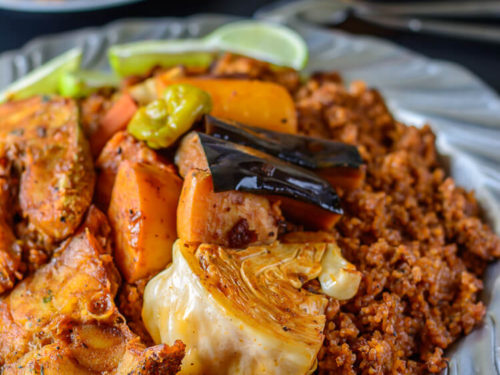
This is the ancestor of them all. In Senegal, Jollof isn’t just rice and stew, it’s Thieboudienne, a dish cooked with fish, tomato broth, and root vegetables. Traditionally, it’s served in one big platter for everyone to share, making it as much about community as it is about flavour. It’s earthy, hearty, and layered with ingredients like cassava, carrots, and cabbage. Cooking it properly takes time, but the reward is a dish that feels like history on a plate.
Sierra Leone Jollof
Sierra Leone’s take is lighter, less dominated by tomato, and often paired with seafood or mixed meats. What stands out is the balance: parboiled rice keeps the grains fluffy, and the seasoning is gentler compared to Nigeria or Ghana. It’s still unmistakably Jollof, but it carries a softness that makes it just as comforting in its own right.
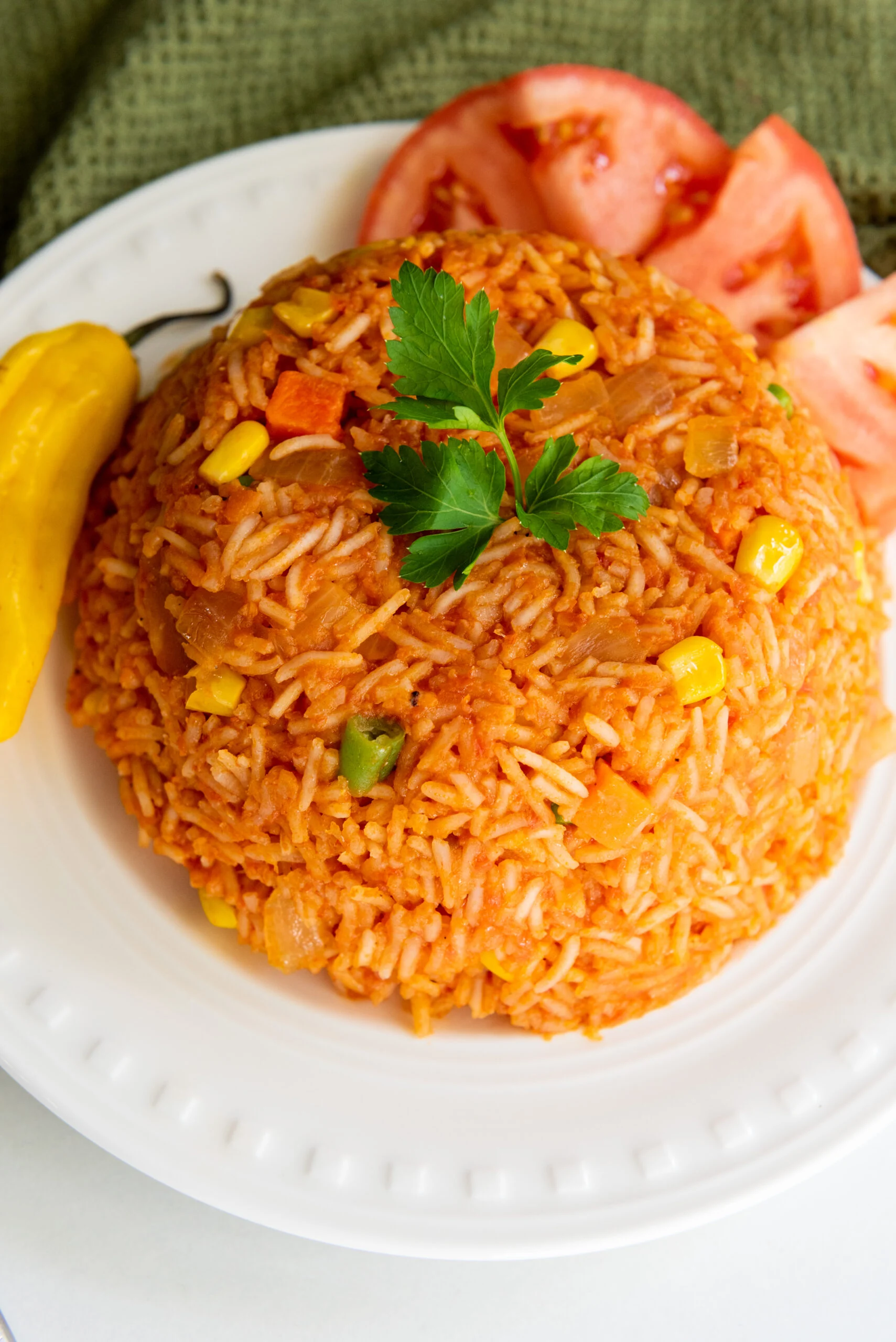
Liberian Jollof
Liberia goes big on heat. Scotch bonnet peppers, bell peppers, tomato paste, and mixed meats all come together to create a Jollof that is punchy, spicy, and satisfying. It’s hearty cooking that fills both the plate and the belly. If you’re someone who enjoys that extra kick, Liberian Jollof will feel familiar but also a little more fiery than what we’re used to in Lagos.
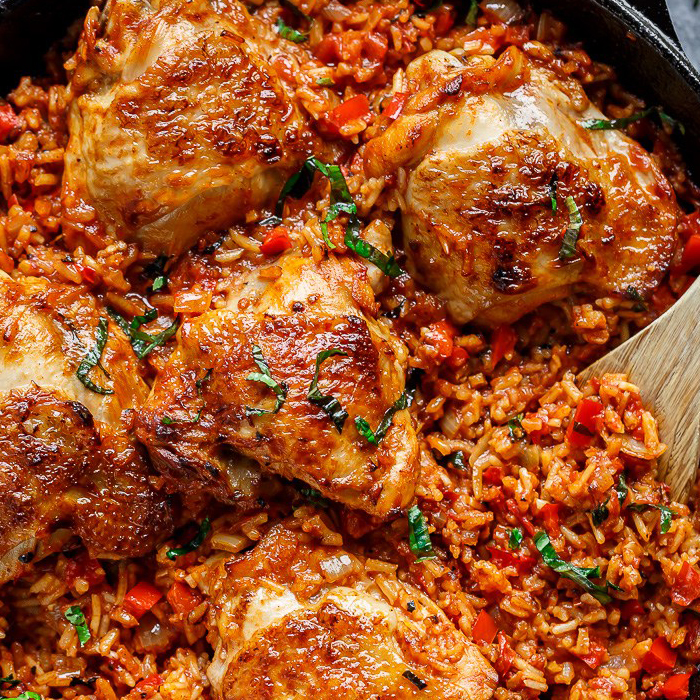
Cameroonian Jollof
Cameroon’s version is colourful and vegetable-heavy. You’ll often see carrots, green beans, and other vegetables folded in with the rice, giving both aroma and texture. There’s a fragrance to it, thanks to local spice blends, and it eats almost like a complete one-pot meal. The vegetables are usually added towards the end so they keep a bit of crunch.
Final Thoughts
Across these six countries, you can see how one dish adapts to local tastes, ingredients, and traditions. Nigerian Jollof is big and bold, Ghana’s fragrant and layered, Senegal’s communal, Sierra Leone’s lighter, Liberia’s fiery, and Cameroon’s vegetable-rich. None is better than the other, they simply reflect where they come from.
So if you’ve only ever cooked Jollof one way, maybe today is the day to try another version. Who knows? You might find yourself adding bits of one style into your own recipe.
Happy World Jollof Day!
Loved this post?
Tell us your favorite receipe in the comments 👇 and don’t forget to follow @foodieinlagos on Instagram, TikTok, Threads, and YouTube for more food & lifestyle adventures!